Apollo Rise - NASA HERC 2025
Telecommunications Director
Telecommunications Director for Peru's rover team in NASA's Human Exploration Rover Challenge. 19th place worldwide.
The Project
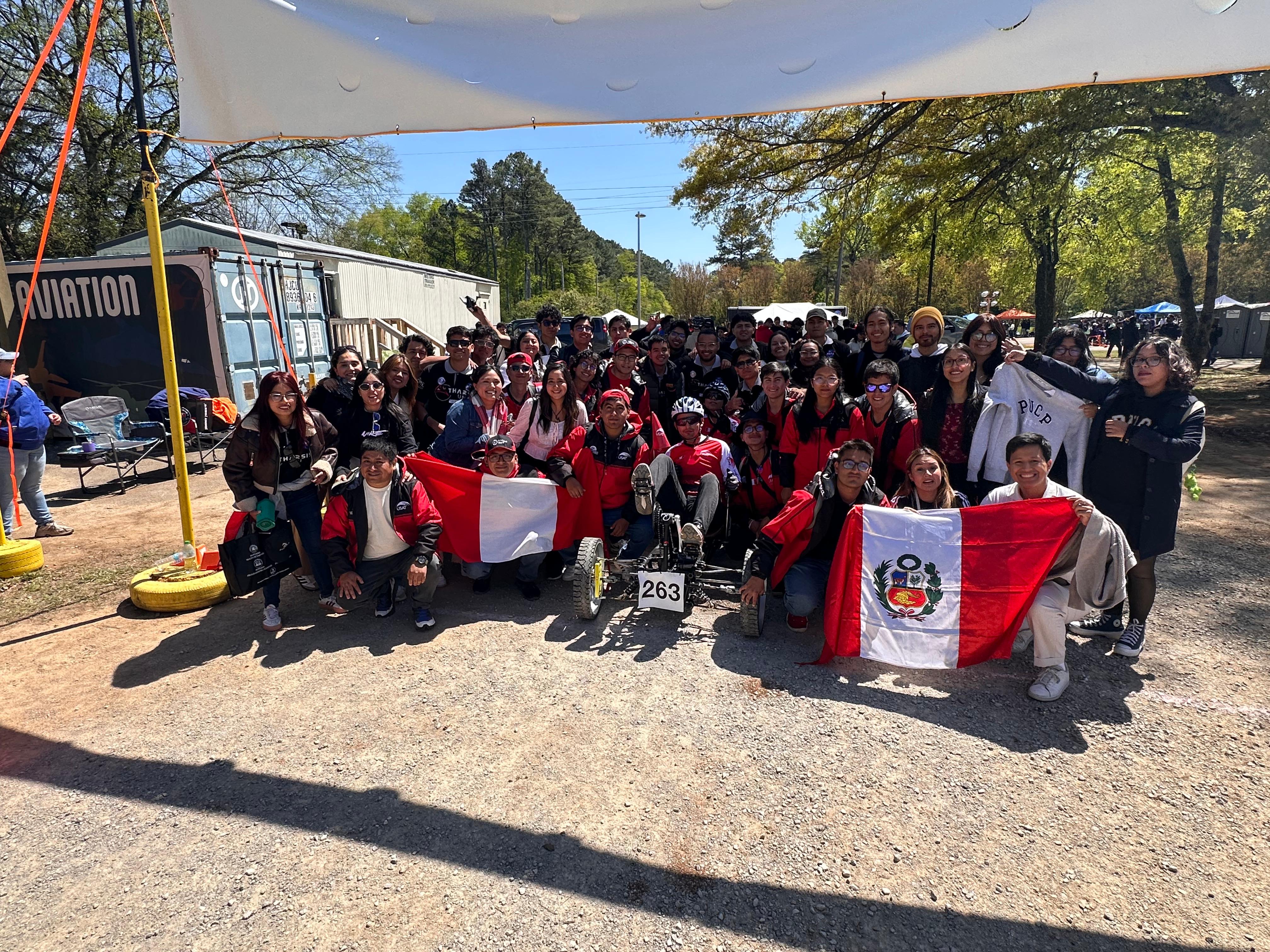
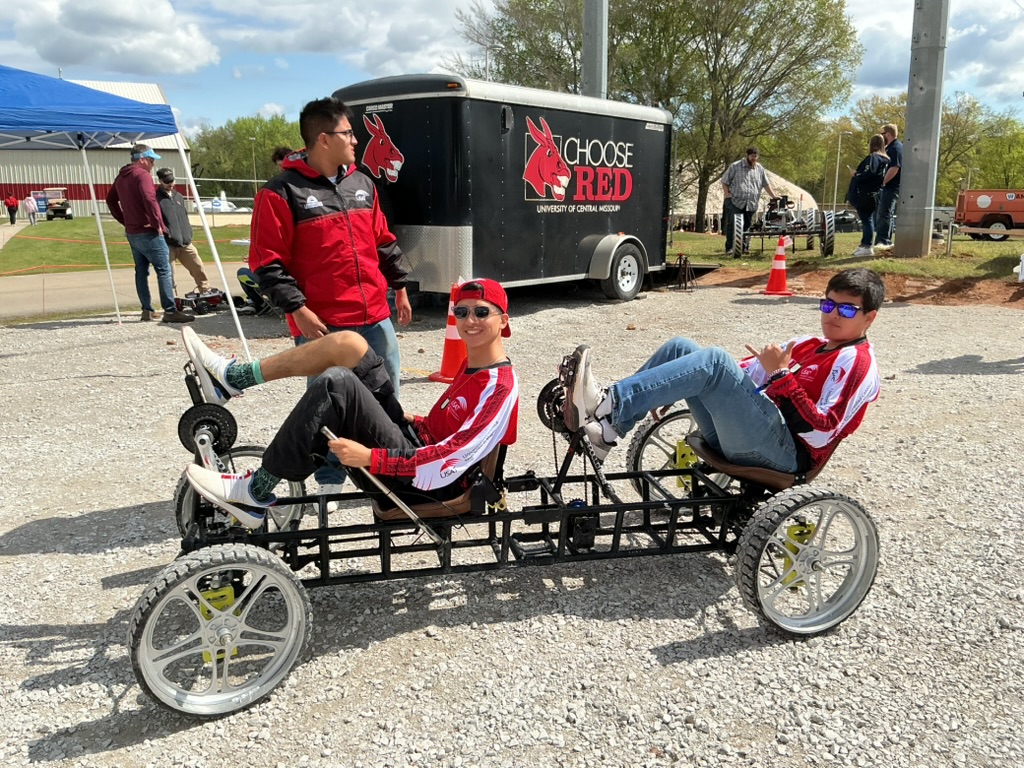
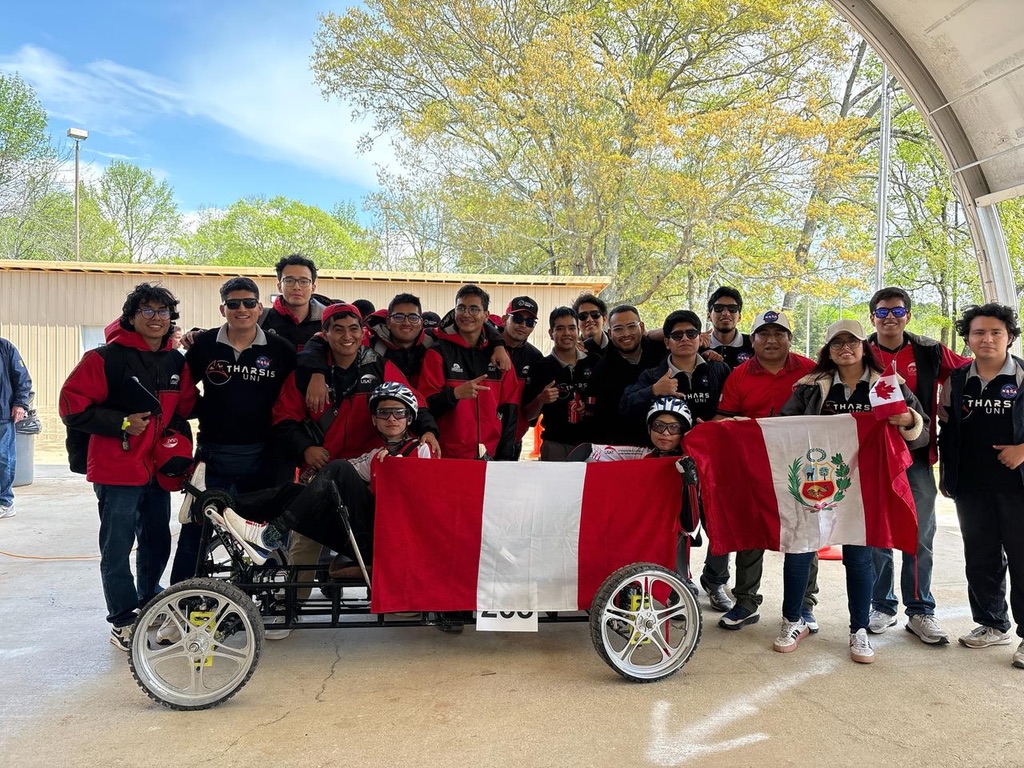
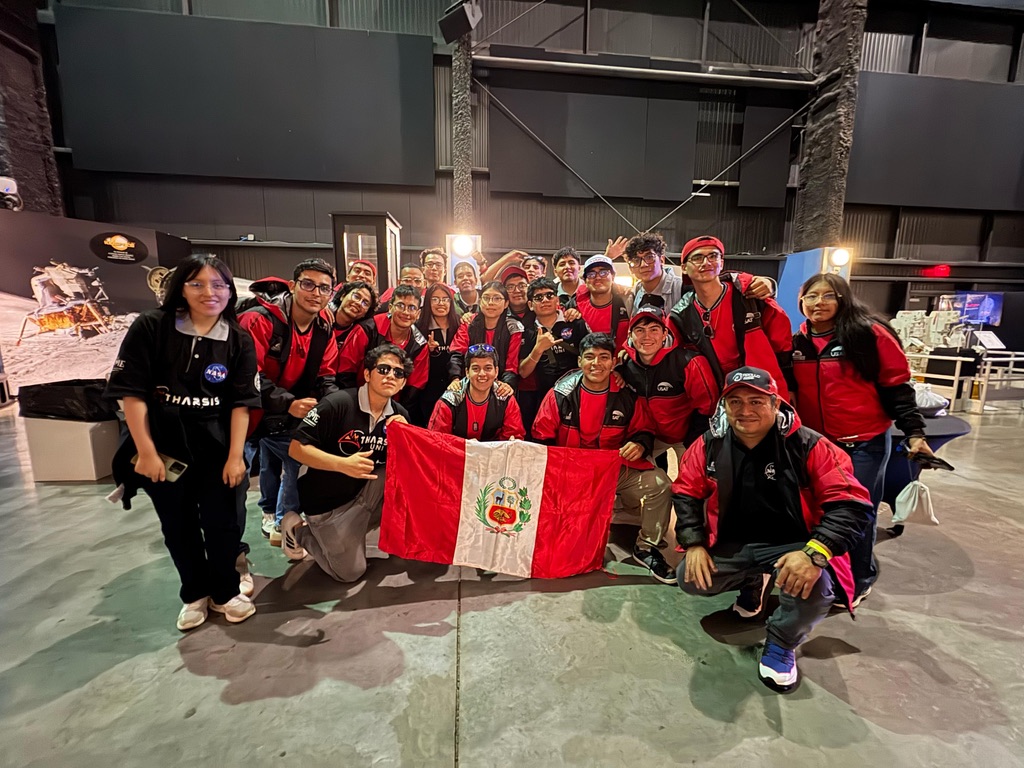
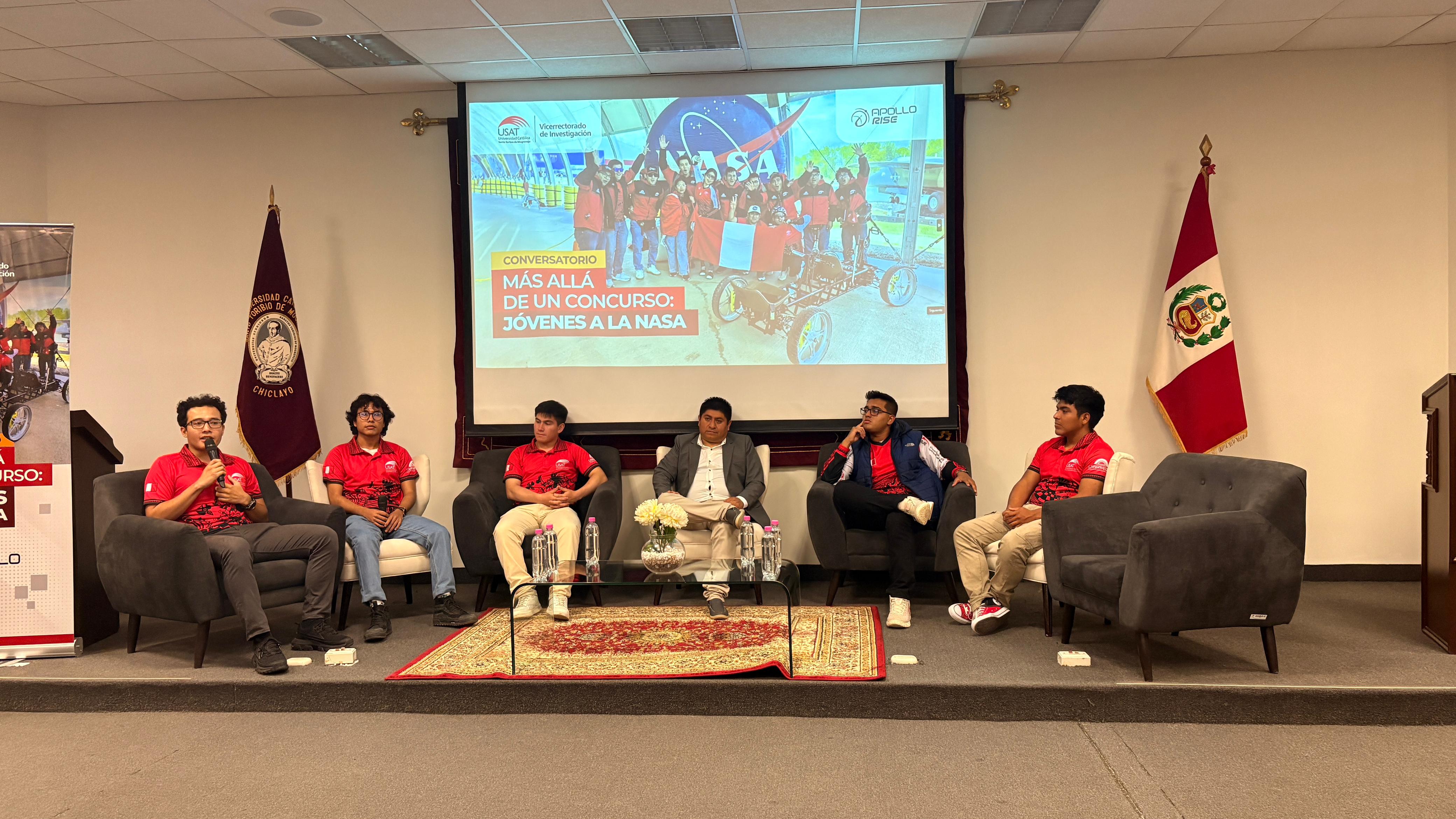
Apollo Rise is the rover team from Universidad Católica Santo Toribio de Mogrovejo (USAT) that represented Peru in the NASA Human Exploration Rover Challenge (HERC) 2025, held at the Marshall Space Flight Center in Huntsville, Alabama.
I was part of the team since its inception, helping design the initial proposal that was selected by the competition organizers. As Telecommunications Director, I led and organized all communications systems between the rover, pilots, and ground base.
The Challenge
The competition simulates conditions astronauts would face on the Moon or Mars. Teams must build a human-powered rover capable of navigating extreme terrain while maintaining constant communication with the control base.
My specific challenges in telecommunications:
- Real-time vital signs monitoring of pilots during the competition
- Continuous GPS tracking of the rover in environments with interference
- Reliable voice communication between pilots and base in real-time
The Solutions
Challenge 1: Vital Signs Monitoring
Problem: Getting accurate heart rate readings from a pilot in constant motion, with electromagnetic interference, and transmitting data instantly.
Solution: We adopted the ECG AD8232 module, a compact sensor that detects even subtle changes in cardiac activity. Connected to an Arduino Nano that processes and sends data via Bluetooth to the rover’s Raspberry Pi. From there, information is transmitted via radio frequency (XBee-PRO) to the central base.
Challenge 2: Continuous Rover Tracking
Problem: Trees, metal structures, and weather can block location signals, complicating real-time tracking.
Solution: We selected the GPS Ublox NEO-6M module for its precision and easy integration. It records exact position (latitude/longitude) and transmits to the Raspberry Pi, which sends data to base via XBee-PRO. Each data point is timestamped for synchronization with other systems.
Challenge 3: Reliable Voice Communication
Problem: Achieving real-time voice communication with sufficient quality in an environment full of interference.
Solution: Hands-free headset system paired to the rover’s Raspberry Pi. Voice is transmitted via XBee-PRO modules, optimized with G.711 compression techniques for clarity and reduced latency. The system uses automatic retransmission for communication continuity.
Results
- 19th place worldwide in the Human Powered category
- Successfully competed against 100+ teams from universities around the world
- Represented Peru at NASA Marshall Space Flight Center
- All communications systems functioned reliably throughout the competition
Technical Architecture
The telecommunications system integrates multiple components:
Pilot → ECG AD8232 → Arduino Nano → Bluetooth → Raspberry Pi
                                                      ↓
        GPS Module → Raspberry Pi → XBee-PRO → Ground Base
                                                      ↓
        Voice Headset → Raspberry Pi → XBee-PRO → Control Center
Gallery
Impact
This experience was transformative:
- Led a technical team under international competition pressure
- Applied embedded systems and telecommunications knowledge in a real-world scenario
- Represented my country at one of NASA’s most prestigious challenges
- Validated that Peruvian engineering can compete globally